
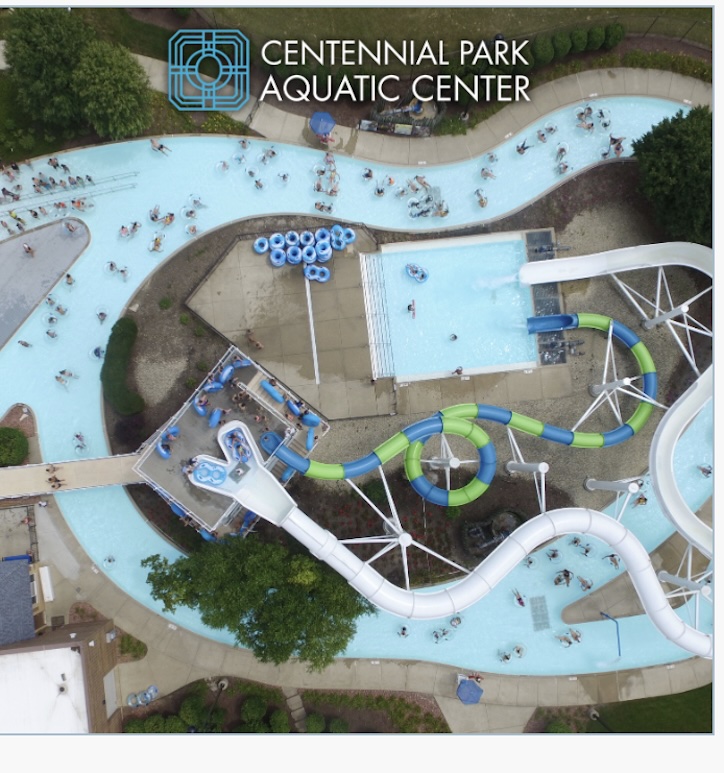
Centennial Park Aquatic Center in Orland Park, IL, will re-open June 2 after a brief closure to investigate the source of one confirmed and one possible case of E. coli infection. A staff member with a confirmed case is receiving treatment.
Do You Need an E. coli Lawyer?
E. coli Centennial Park Aquatic Center in Orland Park, IL
Two E. coli infections, one confirmed and one possible, are associated with Centennial Park Aquatic Center in Orland Park, IL. Orland Park Recreation temporarily closed the park after illnesses were reported. The department said in a June 1 statement that it has consistently followed recreational water guidelines and will continue to test samples collected from the aquatic center.
How is E. coli Transmitted at Water Parks?
Swimmers with diarrhea can contaminate pools, hot tubs, splash pads, and water parks if some fecal matter is on their skin after they use the restroom before entering the water. Chlorine doesn’t immediately kill germs, which means other swimmers could swallow water containing E. coli and become sick. Or, sometimes, a waterpark’s filtration system can be overwhelmed, and bacteria can spread
This is why health officials recommend:
- Staying out of the water if you have diarrhea.
- Avoid swallowing water pools and water parks.
- Shower before and after swimming.
How Common are E. coli Outbreaks at Water Parks?
From 1997 to 2022, 60 waterborne disease outbreaks associated with splash pads resulted in 10,611 cases and 152 hospitalizations. Most of these outbreaks (67 percent) were caused, in part, by Cryptosporidium; others were caused by E. coli and Shigella.
Related
E. coli Outbreak at Jellystone Park Camp in Pelahatchie, Mississippi
Now 69 Sick With E. coli After Swimming at Lake Nokomis
Swimming Pool E. coli O157:H7 Outbreak in PA in 2021; 15 Sick
Kansas Shigella Outbreak at Splash Pad Sickened 21 in June 2021
Symptoms of an E. coli Infection and Hemolytic Uremic Syndrome (HUS)
Symptoms of an E. coli infection, which usually develop within one to three days of exposure, include abdominal cramps and diarrhea that can be bloody. About seven percent of E. coli patients develop hemoyltic uremic syndrome (HUS) a form of kidney failure that can be fatal.
NOTE: Over-the-counter anti-diarrheal medications and antibiotics should not be given to patients with E. coli infections as they can increase the chance of developing HUS.
HUS symptoms usually set in about one week after E. coli symptoms and include:
- Bloody diarrhea
- Decreased urine output
- Pale skin
- Extreme fatigue, lethargy
- Skin that easily bruises
Anyone with these symptoms should seek immediate medical care as HUS can be fatal. Treatment for HUS includes blood transfusions, dialysis, plasma exchange, and kidney transplants.
Experienced E. coli Lawyers
The E. coli Team at Pritzker Hageman has represented clients in every major U.S. E. coli outbreak.
In one recent case, our team of E. coli lawyers obtained one of the largest E. coli verdicts in U.S. history on behalf of a young girl who contracted an E. coli-HUS infection from animal contact at a pumpkin patch. As a result of her E. coli-HUS infection, our client suffered a life-threatening illness that caused severe kidney damage.
If you or your family member developed an E. coli infection after a visit to the water park and you would like a free consultation with an experienced E. coli lawyer, please contact us by calling 1-888-377-8900, sending a text to 612-261-0856, or by completing the form below. The consultation is free and there is no obligation.