
“Over the past three decades, Pritzker Hageman attorneys have represented more victims of Cyclospora outbreaks than any other law firm in the country.”
Our Cyclospora lawyers have won hundreds of millions of dollars for people sickened by contaminated food. If you have been sickened, we want to help you, too. Contact us for a 100% free consultation with our food safety legal team.
Phone: 1-888-377-8900 | Text: 612-261-0856
The consultation is free and you never pay anything ever until we win for you.
Why Hire Pritzker Hageman for a Cyclospora Lawsuit?
Cyclospora cases require a legal team that understands foodborne-disease epidemiology, produce supply chains, public health investigations, and the medical consequences of prolonged cyclosporiasis. Pritzker Hageman’s food poisoning attorneys have represented people in major Cyclospora outbreaks involving restaurants, retailers, bagged salad, vegetable trays, herbs, and other fresh produce.
- Our lawyers have handled hundreds of Cyclospora claims and have decades of experience with complex foodborne-illness litigation.
- We work with epidemiologists, microbiologists, traceback specialists, medical experts, and public health evidence to investigate where contaminated food came from.
- We move quickly to preserve receipts, loyalty-card records, delivery orders, product information, supplier documents, health department records, and other evidence that can disappear.
- We pursue compensation for medical expenses, lost income, pain, suffering, out-of-pocket losses, and other legally recoverable damages.
- The consultation is free. You pay no attorney fee unless we obtain compensation for you.
Current 2026 Cyclospora Outbreak Updates
Updated August 28, 2026: CDC reports 17,180 laboratory-confirmed domestically acquired cyclosporiasis cases in 48 states and the District of Columbia since May 1, including 922 hospitalizations and two deaths. CDC is also aware of more than 11,844 additional reports that require confirmation and analysis, so federal and state totals are expected to rise.
One confirmed 20-state outbreak accounts for 11,458 of those cases, including 495 hospitalizations and two deaths, according to CDC figures published August 27, 2026. CDC and FDA link that outbreak to recalled iceberg lettuce from Taylor Farms de Mexico, and CDC says the investigation is ongoing. Taco Bell was among the restaurants served by the recalled lettuce; identifying the supplier narrows the primary target but does not rule out the restaurants and retailers that sold it. The 20 states included in the outbreak are Arkansas, Georgia, Illinois, Indiana, Iowa, Kansas, Kentucky, Maine, Massachusetts, Michigan, Missouri, Nebraska, New Hampshire, North Carolina, Ohio, Oklahoma, Pennsylvania, Tennessee, Texas, and West Virginia. Read our continually updated national Cyclospora outbreak analysis and Michigan outbreak report for developing information.
North Carolina is investigating a separate increase. NCDHHS reports 561 cases and 16 hospitalizations through July 20, with the majority of cases in Wake County. Parsley, cilantro and lettuce are commonly reported in patient interviews, but none has been confirmed as the source. NCDHHS says the North Carolina increase does not currently appear connected to the Taco Bell outbreak.
What is Cyclospora?
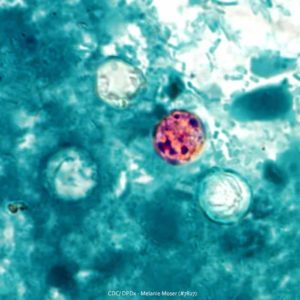
Cyclospora cayetanensis is a microscopic parasite that infects the small intestine. The illness it causes is called cyclosporiasis. According to CDC’s Cyclospora overview, people usually become infected by eating food or drinking water contaminated with the parasite.
The hallmark symptom is frequent watery diarrhea that may be severe or explosive. The illness can last for weeks, appear to improve, and then return. This relapsing pattern can interfere with work, travel, sleep, nutrition, hydration, and normal family life.
What Are the Symptoms of Cyclosporiasis?
Cyclosporiasis characteristically causes watery diarrhea that comes and goes, often with dramatic weight loss, loss of appetite, cramping, bloating, nausea, and fatigue. Untreated, symptoms can persist for weeks to more than a month and may relapse, which is what distinguishes it from most short-lived food poisoning. Per the U.S. Centers for Disease Control and Prevention some people have no symptoms while others are seriously ill.
The most common symptom is watery diarrhea. CDC lists additional symptoms that can include:
- Frequent or explosive bowel movements
- Loss of appetite and weight loss
- Stomach cramps, abdominal pain, bloating, and increased gas
- Nausea and, less commonly, vomiting
- Prolonged fatigue
- Body aches, headache, low-grade fever, or other flu-like symptoms
Some infected people have few symptoms or none. People with prolonged diarrhea, signs of dehydration, severe weakness, significant weight loss, or other concerning symptoms should seek medical care.
How Long After Exposure Do Symptoms Begin?
Symptoms usually begin about one week after exposure. CDC says the incubation period can range from approximately two days to two weeks or longer. That delay makes outbreaks difficult to solve because people must remember small ingredients, restaurant meals, grocery purchases, catered food, and produce eaten many days earlier.
How Long Can Cyclospora Last?
Without treatment, cyclosporiasis may last from a few days to more than a month. Symptoms can disappear and then relapse. Some people experience prolonged fatigue and difficulty returning to normal eating, hydration, and activity even after the most intense diarrhea improves.
Is Cyclospora Contagious from Person to Person?
Direct person-to-person transmission is unlikely. CDC explains that Cyclospora must spend time in the environment after it is passed in stool before it becomes infectious. Outbreaks are therefore more commonly associated with contaminated food or water than with immediate spread from one person to another.
How Is Cyclospora Diagnosed?
Cyclospora is not found on a standard stool test. The testing hospital or laboratory must run a specific test for Cyclospora (ova-and-parasite exam with special staining or a molecular/PCR panel), and doctors often must request it by name. This is a major reason outbreaks are undercounted, and why a documented, specific Cyclospora test result is important evidence for a claim.
During an outbreak, tell the healthcare provider about recent restaurant meals, salads, lettuce, fresh herbs, berries, produce purchases, catered meals, travel, and other people who became ill. Ask whether the ordered stool panel includes Cyclospora.
How Is Cyclosporiasis Treated?
CDC’s clinical guidance identifies a specific anti-parasitic treatment called TMP-SMX that differs from treatments for other infections. Treatment decisions must be made by a healthcare professional, especially for people with medication allergies, pregnancy concerns, kidney disease, immune-system conditions, dehydration, or other medical risks.
There is no highly effective standard alternative treatment for every patient who cannot take TMP-SMX. Anyone who has an allergy or a complicated medical history should discuss options with an appropriate clinician rather than self-treating.
What Foods Have Been Linked to Cyclospora Outbreaks?
Cyclospora outbreaks have repeatedly been associated with fresh produce. Past investigations have involved lettuce and salad mixes, cilantro, basil, raspberries and other berries, snow peas, parsley, green onions, vegetable trays, and other fruits and vegetables. FDA’s Cyclospora prevention and research action plan explains that U.S. cases have involved both imported and domestically produced food.
The 2026 investigations illustrate this problem. CDC has identified a four-state multistate outbreak, Michigan investigators are focusing on lettuce and salad greens, and current reporting says bagged, prewashed salad kits may be receiving particular attention. No specific product or supplier has been confirmed.
Fresh produce is especially difficult to investigate because it is perishable, often eaten raw, distributed through complex supply chains, and mixed with other ingredients. A contaminated herb, garnish, salad component, or topping may be served by many restaurants and retailers before an outbreak is recognized.
Learn more about Cyclospora lawsuits involving produce, lettuce, and salad greens, and about claims involving Cyclospora food purchased from a grocery store.
Can I Sue for Cyclospora Food Poisoning?
A Cyclospora lawsuit may be possible when evidence connects a laboratory-confirmed illness to contaminated food sold or served by a business. A public recall is helpful but is not always required. Outbreak cases may be supported by epidemiology, exposure timing, common food histories, purchase records, supplier information, traceback evidence, and health department findings.
The strength of a claim depends on the facts and the law that applies. Important evidence often includes a positive Cyclospora test, symptoms consistent with the incubation period, a food exposure that matches the outbreak investigation, and proof of medical, financial, or personal harm.
If you got cyclosporiasis and there is sufficient evidence showing a link between your illness and food you purchased from a restaurant or grocery store, you can file a lawsuit seeking compensation. Usually, this includes money for medical expenses, lost wages, pain and suffering, and other damages.
Cyclospora cases can be complicated, so it’s important to choose a legal team with experience. Pritzker Hageman’s food poisoning attorneys have a proven track record in these cases. No other law firm has represented more clients in recent large-scale Cyclospora outbreaks. If you have been sickened by Cyclospora, we want to help you, too.
Who May Be Responsible?
Potentially responsible companies may include produce growers, packing houses, processors, importers, distributors, wholesalers, grocery stores, restaurants, caterers, institutional foodservice companies, and other businesses in the chain that brought contaminated food to the consumer. More than one company can be involved in the same case.
Our guide to restaurant food poisoning lawsuits explains how restaurant claims are investigated.
What Evidence Should I Preserve?
Preserve as much information as possible before records or perishable food disappear. Useful evidence can include:
- Laboratory results, medical records, discharge instructions, prescriptions, bills, and photographs showing the effect of the illness
- A written symptom timeline, including the first day of illness, relapses, missed work, and medical visits
- Restaurant receipts, delivery-app orders, catering records, grocery receipts, loyalty-card histories, and credit-card statements
- Product labels, lot codes, packaging, photographs, menus, restaurant locations, and the names of people who ate with you
- Emails, texts, workplace notices, school notices, or health department communications concerning a shared illness
- A detailed list of foods eaten during the 14 days before symptoms began, including small ingredients such as lettuce, cilantro, basil, salsa, garnish, fruit, or salad mix
Do not consume suspected leftover food. Before discarding it, ask the health department or an attorney whether it should be preserved and how it can be stored safely.
How much is a Cyclospora lawsuit worth?
There is no single “average” Cyclospora settlement — the value of a claim depends on how sick you became and what it cost you. The families we help most are those who suffered serious, prolonged, or complicated illness, not a brief upset stomach. Case value is generally driven by:
- Medical expenses — ER visits, hospitalization, testing, follow-up care, and the specialized antiparasitic treatment cyclosporiasis often requires.
- Lost income — Cyclospora illness commonly lasts weeks to months, and relapses are common; time off work (and lost future earnings in severe cases) is compensable.
- Pain, suffering, and the toll of a long illness — including the weeks of debilitating symptoms that make cyclosporiasis so different from ordinary food poisoning.
- Long-term or severe complications — dehydration requiring hospitalization, or illness in a medically vulnerable person.
- Wrongful death — in the rare cases where a Cyclospora-related illness contributes to a death, families may bring a wrongful-death claim.
What makes a strong Cyclospora case?
A confirmed diagnosis, documented medical care, and evidence tying your illness to a specific food source (see what evidence to preserve). You do not need a recall or a confirmed outbreak source to have a claim.
Our food safety lawyers have recovered hundreds of millions of dollars for our cliuents and can tell you honestly, after a free review, whether your illness is serious enough to support a claim worth pursuing. See our settlements & verdicts.
What Should I Do If I Think I Have Cyclospora?
- Seek medical care and ask whether the stool order specifically includes Cyclospora.
- Report a positive test to the local or state health department and participate in the food-history interview.
- Write down everything eaten during the 14 days before symptoms began, including restaurants, grocery stores, catered meals, and produce ingredients.
- Preserve medical records, purchase records, packaging, photos, and communications.
- Speak with an experienced Cyclospora lawyer before evidence disappears or a legal deadline passes.
Frequently Asked Questions About Cyclospora Lawsuits
A laboratory-confirmed diagnosis is usually one of the strongest pieces of evidence. In limited situations, a claim may be evaluated using other evidence, but anyone who is still symptomatic should seek medical care and ask specifically about Cyclospora testing.
Possibly. Recalls are not issued in every outbreak, and a source may be identified through epidemiology and traceback even when no contaminated food remains for testing. The legal analysis depends on the available evidence.
There is no fixed amount; value depends on the severity and cost of your illness (see How much is a Cyclospora lawsuit worth?). Serious, well-documented cases are worth pursuing; brief, mild illness usually is not.
If your illness was serious or prolonged (weeks of symptoms, significant lost work, or a vulnerable patient), yes. If it was brief and mild, we’ll tell you honestly in a free review — we focus on cases serious enough to be worth your time.
Potentially. A claim may involve the restaurant, a supplier, a distributor, a processor, a grower, or several companies. The responsible parties depend on how the contaminated ingredient moved through the supply chain and on the law that applies.
Possibly. If a specific brand or product is tied to the outbreak and you have a confirmed diagnosis and documented illness, you may have a claim even before a formal recall. Our legal team investigates the supply chain to identify who is responsible.
A grocery-store claim may be possible when evidence connects the illness to food purchased from that retailer. Loyalty-card records, receipts, product codes, recalls, public health interviews, and supplier information can be important. Read more about suing a grocery store for Cyclospora.
No. Federal and state officials are reportedly investigating whether Taco Bell locations may have contributed, but the report is based on anonymous sources familiar with the inquiry. Taco Bell says public health officials have not confirmed a link to the company or any specific ingredient, supplier, restaurant, or retailer. FDA has not announced a Taco Bell recall or publicly identified Taco Bell as the outbreak source.
CDC says more than 400 people in Michigan, Ohio, West Virginia, and Kentucky are connected to a large multistate outbreak. A specific food has not been confirmed, and other Cyclospora clusters are under investigation across the country.
No. Investigators are focusing on lettuce and salad greens, and current reporting says bagged, prewashed salad kits may be a particular concern. No specific salad product, brand, grower, processor, supplier, restaurant, or retailer has been identified.
Legal deadlines differ by state and by the type of defendant. Some claims can have shorter notice requirements. A person considering a claim should obtain legal advice promptly rather than relying on a general limitations period found online.
Talk to a Cyclospora Lawyer
To request a free consultation, call 1 (888) 377-8900 (toll-free), send a text to 612-261-0856, or complete the form below.
Contact us about your Cyclospora case
We have obtained 100+ separate verdicts and settlements greater than $1 million:
Our client suffered substantial injuries after ingesting a defective product.
We obtained this settlement on behalf of a family whose children were sickened with E. coli.
We obtained a $12.15 million settlement on behalf of an 8-year old girl who was sickened in an E. coli outbreak.
We represented seven children who suffered intestinal injuries as a result of a defective food product.
We obtained this settlement on behalf of a 13-year old girl who was sickened with E. coli.
We won this verdict for a child with kidney damage from E. coli in contaminated food.
Our attorneys won this landmark verdict in a case against Foster Poultry Farms. Our client was a 5-year-old child who contracted Salmonella Heidelberg and, as a result, suffered brain damage.
We obtained a settlement from a company that sold contaminated food to our clients, causing the death of unborn children.
Our client suffered severe neurologic injuries as a result of Listeria monocytogenes, a food-borne pathogen.
On behalf of a client who was seriously sicked by food contaminated with Listeria monocytogenes.
See more settlements & verdicts.
The Pritzker Hageman law firm and our attorneys have been recognized in:
U.S. News & World Report

Pritzker Hageman has been recognized as one of the best law firms for personal injury litigation by U.S. News & World Report every year the award has been given since 2012.
Super Lawyers®, Thomson Reuters

Attorneys at Pritzker Hageman have been awarded the peer selected Super Lawyers distinction every year since 2004.
America’s Top 100 Attorneys®

Lifetime Achievement selection to America’s Top 100 Attorneys®.
Three Time Attorneys of the Year

Pritzker Hageman lawyers have been named Attorneys Of The Year by Minnesota Lawyer three times.