
A multistate Salmonella Newport outbreak linked to cantaloupe has ended after sickening 70 people in 25 states, according to FDA outbreak information. FDA’s traceback investigation identified Ayco Farms Inc. of Pompano Beach, Florida, as a common supplier of imported cantaloupe from Guatemala. The FDA’s investigation remains ongoing, and the agency has initiated additional actions, including traceback, inspection, and sampling activity.
The FDA’s CORE Outbreak Investigation Table lists the outbreak as Salmonella Newport, reference #1366, with cantaloupe as the linked product. The outbreak event is listed as ended, but the investigation status remains active. Food Poisoning Bulletin also reported that public information released so far does not include illness onset dates, hospitalization totals, patient ages, or state-by-state case counts.
Ayco Farms Cantaloupe Outbreak Update
An FDA investigation identified Ayco Farms was identified as the common supplier in this outbreak. The FDA stated that the implicated imported cantaloupe was likely past its shelf life and no longer on the market, but Ayco Farms initiated a voluntary recall to warn against further processing the cantaloupe to extend its shelf life. FDA also stated that there does not appear to be an ongoing public-health risk and that there is no recommendation for consumers to avoid cantaloupe in general.
As part of the investigation, FDA placed Ayco San Jorge Y Compania Limitada and Agrobassy Y Cia Ltda on FDA Import Alert 99-35, meaning cantaloupe from those firms is subject to automatic detention without physical examination until the firms demonstrate they have corrected the violations that led to the action.
Why Cantaloupe Can Be a Salmonella Risk
Cantaloupe has been linked to many serious foodborne illness outbreaks before. Cantaloupes have characteristics, including a netted rind and low acid levels, that can make them particularly vulnerable to bacterial contamination. Cantaloupe is also typically eaten raw, without a cooking step that would kill Salmonella or other pathogens.
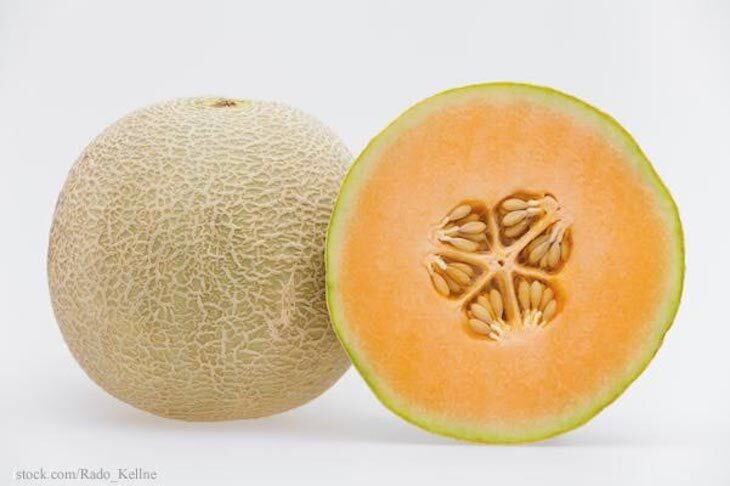
FDA’s cantaloupe food-safety materials identify risk factors during growing and packing, including water quality, equipment and packing-facility sanitation, worker hygiene, and animal intrusion. In past cantaloupe investigations, FDA has also described possible sources of Salmonella contamination, including contaminated irrigation or processing water, poor worker hygiene, pests in packing facilities, and inadequate cleaning and sanitizing of food-contact equipment.
This outbreak follows other major cantaloupe outbreaks, including the 2023–2024 Malichita/Rudy cantaloupe Salmonella outbreak. CDC reported that outbreak sickened 407 people in 44 states, hospitalized 158, and caused six deaths. Pritzker Hageman previously covered that outbreak here: Malichita Cantaloupe Salmonella Outbreak Ends With 6 Dead.
Symptoms of Salmonella Infection
Symptoms of a Salmonella infection usually include diarrhea, fever, and stomach cramps. Symptoms usually begin 6 hours to 6 days after infection and typically last 4 to 7 days. Other symptoms can include nausea, vomiting, headache, and loss of appetite.
Contact a doctor if you have severe or worsening symptoms, including:
- Diarrhea or vomiting lasting more than 2 days
- Bloody diarrhea or blood in urine
- Fever higher than 102°F
- Signs of dehydration
- Long-term complications after a Salmonella infection
Salmonella can sometimes spread beyond the intestines to the blood, urine, bones, joints, brain, or other internal organs, and some infections can have long-lasting effects.
What to Do If You Got Sick After Eating Cantaloupe
If you developed Salmonella symptoms after eating cantaloupe, especially cantaloupe that may have been supplied by Ayco Farms, take these steps:
- See a doctor and ask about Salmonella testing. A stool test can confirm whether Salmonella caused your illness.
- Report your illness to your local health department. Public-health investigators use patient interviews and lab results to identify outbreak cases.
- Save proof of purchase. Keep receipts, loyalty-card records, grocery-delivery records, photos of packaging, and any product labels or lot information.
- Do not eat any leftover suspected cantaloupe. If you still have leftover cantaloupe or frozen fruit made with cantaloupe, take photos and contact a public-health official or lawyer before disposing of potential evidence.
Pritzker Hageman’s Salmonella outbreak lawsuit FAQ explains that Salmonella outbreak claims often depend on lab testing, genetic fingerprinting, and evidence connecting a person’s illness to a contaminated food source. Our attorneys can tell you how a food poisoning lawyer proves a food poisoning claim.
Can You Sue for Salmonella from Cantaloupe?
You may be able to file a Salmonella lawsuit if you can prove that contaminated cantaloupe caused your illness and that you suffered damages such as medical expenses, lost wages, pain and suffering, or long-term complications. Pritzker Hageman’s Salmonella lawyers represent people sickened in foodborne illness outbreaks nationwide.
Food poisoning cases can involve companies at multiple points in the supply chain, including growers, importers, distributors, food processors, grocery stores, restaurants, and other businesses that sold or served contaminated food. Learn more about claims involving retail food here: Can I Sue a Grocery Store for Food Poisoning?
Contact a Salmonella Lawyer
If you or a loved one developed a Salmonella infection after eating cantaloupe, contact Pritzker Hageman’s national food safety legal team for a free consultation. Call 1-888-377-8900 or text 612-261-0856 or contact us online today.
Pritzker Hageman represents clients in Salmonella lawsuits throughout the United States. There is no obligation, and we do not get paid unless we win.