
The FDA has identified ready-to-eat chicken wraps as the source of an E. coli O157:H7 outbreak that has sickened 38 people. The wraps were removed from the market before investigators confirmed the connection, are no longer available for sale, and are past their shelf life.
The FDA has not publicly identified the manufacturer, brand, retailer, states where illnesses occurred, or which ingredient was contaminated. No recall has been announced. Federal investigators are working with the USDA, CDC, and state and local health officials to determine how the wraps became contaminated.
Pritzker Hageman’s E. coli outbreak legal team is monitoring this investigation. If you or a family member developed a serious E. coli infection after eating a ready-made chicken wrap, you may have an E. coli claim. Contact our legal team for a free, confidential case review.
Do You Need an E. coli Lawyer?
What Is Known About the 2026 Chicken Wrap E. coli Outbreak?
As of October 8, 2026, the FDA has linked ready-to-eat chicken wraps to an E. coli O157 outbreak involving 38 reported illnesses. The investigation remains active, and federal officials are working to identify the contaminated ingredient and the companies involved.
According to the FDA’s outbreak investigation, the following information has been confirmed:
- Outbreak: E. coli O157, a Shiga toxin-producing strain that can cause severe illness and kidney complications.
- Reported illnesses: 38 cases. The outbreak is listed as FDA investigation #1421 and USDA-FSIS investigation #2026-04.
- Food linked to illnesses: Ready-to-eat, multi-ingredient chicken wraps. Investigators have not determined whether the chicken or another ingredient was contaminated.
- Product status: The wraps were removed from the market before investigators confirmed the outbreak connection. They are no longer available for sale and are past their shelf life.
- Investigation status: FDA has initiated traceback, inspection, and sampling activities to investigate the source of contamination.
- Information not yet released: The manufacturer, brand, retailer, states where illnesses occurred, and the number of hospitalizations, hemolytic uremic syndrome (HUS) cases, or deaths.
No recall has been publicly announced. The USDA Food Safety and Inspection Service (FSIS) is investigating which ingredient was contaminated and whether that ingredient was also used in other food products. Identifying the contaminated ingredient is an important step in determining how the outbreak occurred and which companies may be responsible.
Investigators Are Working to Identify the Contaminated Ingredient in the Chicken Wraps
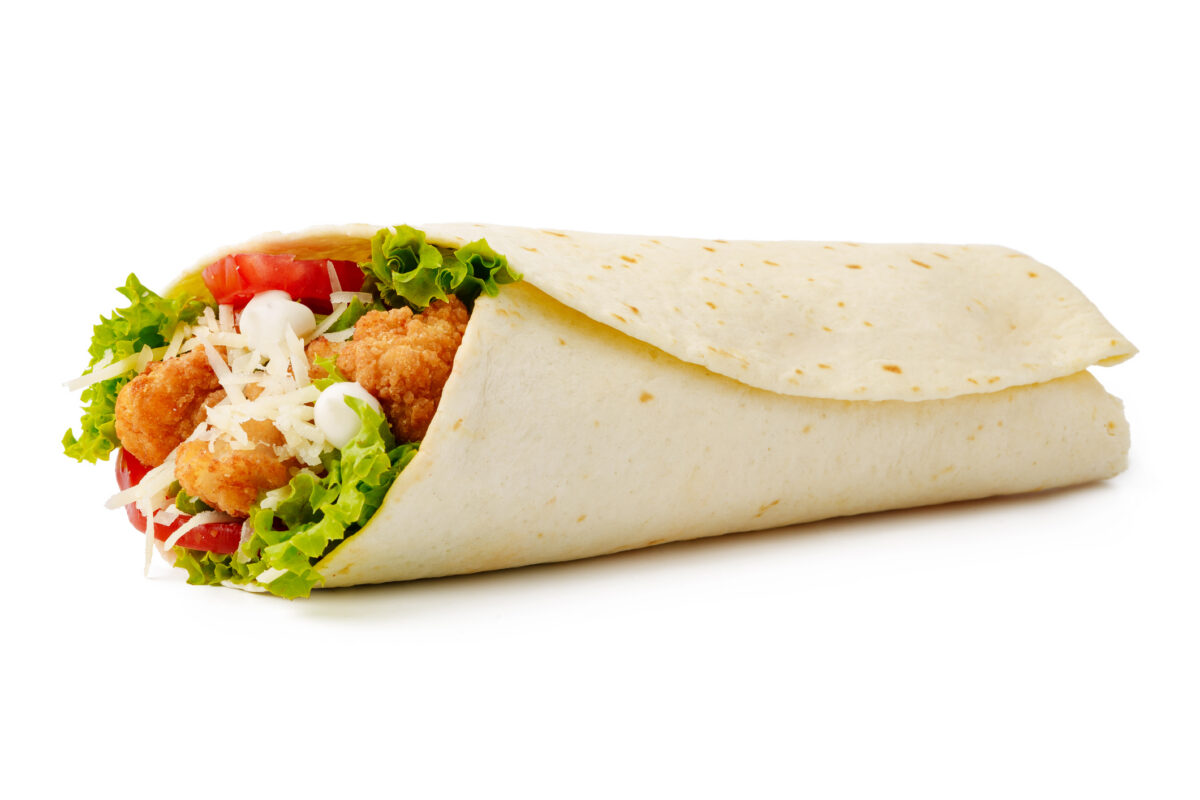
The FDA and USDA-FSIS are investigating which ingredient in the ready-to-eat chicken wraps was contaminated with E. coli O157. Investigators are tracing the source of the contamination and examining whether the same ingredient was used in other food products.
Ready-to-eat chicken wraps can contain ingredients from multiple suppliers, including cooked chicken, fresh produce, cheese, tortillas, and sauces. Tracing each ingredient through the supply chain can help investigators determine where contamination occurred, identify other potentially affected products, and establish which companies may be responsible for the illnesses.
In 2015, Pritzker Hageman filed an E. coli lawsuit involving Costco rotisserie chicken salad after investigators identified a celery-and-onion blend as a suspected source of contamination. In 2013, an E. coli O157 outbreak linked to ready-to-eat chicken salads and wraps sickened 33 people and prompted a recall involving multiple prepared food products.
How Is the FDA Tracing the Source of E. coli Contamination?
The FDA has initiated traceback, facility inspections, and sample collection to identify the source of E. coli contamination in the chicken wraps. Traceback records can identify ingredient suppliers and show how products moved through the supply chain. Inspections and laboratory testing can help determine where contamination occurred and whether other foods may be affected.
Public health laboratories also use whole genome sequencing (WGS) to compare E. coli bacteria from people who became sick with bacteria found in food or environmental samples. According to the CDC, whole genome sequencing helps investigators identify related illnesses and detect foodborne outbreaks. Genetic matches can provide evidence connecting illnesses to a contaminated food source.
The contaminated ingredient and its supplier have not yet been publicly identified. Those findings could help establish which companies produced, distributed, or sold the contaminated food and may be legally responsible for the illnesses.
What Should You Do if You Got Sick After Eating a Chicken Wrap?
If you developed severe diarrhea, bloody diarrhea, or stomach cramps after eating a ready-to-eat chicken wrap, seek medical attention and tell your healthcare provider what you ate and when. An E. coli O157 infection can cause serious complications, including hemolytic uremic syndrome (HUS), a potentially life-threatening condition that can lead to kidney failure.
Ask your healthcare provider about testing for Shiga toxin-producing E. coli (STEC). The CDC recommends testing stool samples for E. coli O157 and Shiga toxins. Laboratory testing can help confirm an infection and provide evidence that public health investigators can use to determine whether your illness is connected to the chicken wrap outbreak.
If you became sick after eating a prepared chicken wrap, take the following steps:
- Seek medical care. Tell your healthcare provider about your symptoms and when you ate the wrap. Bloody diarrhea, dehydration, or signs of HUS require prompt medical evaluation.
- Keep purchase records. Save receipts, order confirmations, packaging, and grocery store loyalty-account records that could help identify the product and where it was purchased.
- Document your illness. Keep copies of medical records, laboratory results, hospital bills, and information about missed work or other expenses related to your illness.
- Speak with an E. coli lawyer. An attorney experienced in foodborne illness outbreaks can review your diagnosis, exposure history, and other evidence to evaluate whether you have a legal claim.
What Are the Symptoms of E. coli O157?
E. coli O157 symptoms typically include severe stomach cramps and diarrhea that may become bloody. Some people also experience vomiting or a low fever. Symptoms usually begin three to four days after exposure, but can take up to 10 days to appear.
Seek medical attention if you experience bloody diarrhea, diarrhea or vomiting lasting more than two days, a fever above 102°F, or signs of dehydration. An E. coli O157 infection can cause serious complications, including kidney failure caused by an E. coli infection.
Antibiotics and anti-diarrheal medications can increase the risk of complications in people infected with Shiga toxin-producing E. coli (STEC). People with suspected or confirmed STEC infections should consult their healthcare provider before taking these medications.
What Are the Warning Signs of HUS After an E. coli Infection?
E. coli O157 can cause hemolytic uremic syndrome (HUS), a life-threatening complication that damages the kidneys and can lead to permanent health problems or death. HUS can develop several days after the initial symptoms of an E. coli infection, even when diarrhea begins to improve. Young children are especially vulnerable.
The warning signs and symptoms of HUS include:
- Urinating very little or not at all
- Unusual paleness, particularly in the cheeks or inside the lower eyelids
- Unexplained bruising or tiny red spots on the skin
- Blood in the urine
- Extreme fatigue, weakness, or irritability
- Decreased alertness
HUS is a medical emergency that requires immediate medical attention. Patients generally need hospitalization, and severe cases may require dialysis or other treatment for kidney failure.
Can You File an E. coli Lawsuit After Eating a Chicken Wrap?
Yes, if contaminated chicken wraps caused your E. coli infection, you may have grounds for a lawsuit against the companies responsible. E. coli lawsuits involving contaminated food can seek compensation for medical expenses, lost income, pain and suffering, and other damages caused by the illness.
Determining who may be legally responsible requires examining the evidence connecting an illness to contaminated food. Depending on the investigation, potentially responsible companies could include the ingredient supplier, food manufacturer, processor, distributor, retailer, or restaurant that sold the product.
Medical records, laboratory results, health department findings, purchase records, and genetic testing can help establish whether a person’s E. coli infection is connected to the outbreak. Supply chain records and other evidence can then help identify the companies responsible for producing and selling the contaminated food.

How Can Our Lawyers Help You?
1-888-377-8900 (Toll-Free) | [email protected]
Contact Pritzker Hageman’s E. coli Lawyers About the Chicken Wrap Outbreak
If you or someone in your family developed a serious E. coli infection after eating a chicken wrap, Pritzker Hageman can help you understand your legal options.
Our nationally recognized E. coli outbreak lawyers have extensive experience investigating foodborne illness outbreaks and identifying the companies responsible for contaminated food. We use medical, scientific, and public health evidence to establish how an infection occurred and who may be legally responsible.
If you were hospitalized with E. coli, developed HUS, or suffered another serious complication, contact Pritzker Hageman for a free, confidential consultation. Call 1-888-377-8900 or text 612-261-0856.
Frequently Asked Questions About the Chicken Wrap E. coli Outbreak
The FDA has identified ready-to-eat, multi-ingredient chicken wraps as the food linked to the E. coli O157 outbreak, but has not publicly named the manufacturer, brand, retailer, or stores where the wraps were sold. Investigators are still working to identify the contaminated ingredient and its supplier.
No. As of October 9, 2026, no recall has been publicly announced for the chicken wraps linked to the E. coli outbreak. According to the FDA’s outbreak investigation, the products were removed from the market before investigators confirmed the connection to the illnesses. They are no longer available for sale and are past their shelf life.
Medical records, stool-test results, food purchase history, and public health investigation findings can help determine whether your illness is connected to the outbreak. Public health laboratories use whole genome sequencing to compare bacteria from people who became sick and identify infections associated with a common source.
Depending on the investigation, potentially responsible companies could include the contaminated ingredient’s supplier, the wrap manufacturer, a food processor, distributor, grocery store, restaurant, or other seller.
Yes. Parents or legal guardians may be able to pursue an E. coli lawsuit on behalf of a child who developed hemolytic uremic syndrome (HUS) after an E. coli infection.
The deadline to file an E. coli lawsuit depends on the applicable state law, the type of claim, and other circumstances.
We have obtained 100+ separate verdicts and settlements greater than $1 million:
Our client suffered substantial injuries after ingesting a defective product.
We obtained this settlement on behalf of a family whose children were sickened with E. coli.
We obtained a $12.15 million settlement on behalf of an 8-year old girl who was sickened in an E. coli outbreak.
We represented seven children who suffered intestinal injuries as a result of a defective food product.
We obtained this settlement on behalf of a 13-year old girl who was sickened with E. coli.
We won this verdict for a child with kidney damage from E. coli in contaminated food.
Our attorneys won this landmark verdict in a case against Foster Poultry Farms. Our client was a 5-year-old child who contracted Salmonella Heidelberg and, as a result, suffered brain damage.
We obtained a settlement from a company that sold contaminated food to our clients, causing the death of unborn children.
Our client suffered severe neurologic injuries as a result of Listeria monocytogenes, a food-borne pathogen.
On behalf of a client who was seriously sicked by food contaminated with Listeria monocytogenes.
See more settlements & verdicts.
The Pritzker Hageman law firm and our attorneys have been recognized in:
U.S. News & World Report

Pritzker Hageman has been recognized as one of the best law firms for personal injury litigation by U.S. News & World Report every year the award has been given since 2012.
Super Lawyers®, Thomson Reuters
Attorneys at Pritzker Hageman have been awarded the peer selected Super Lawyers distinction every year since 2004.
America’s Top 100 Attorneys®
Lifetime Achievement selection to America’s Top 100 Attorneys®.
Three Time Attorneys of the Year

Pritzker Hageman lawyers have been named Attorneys Of The Year by Minnesota Lawyer three times.