
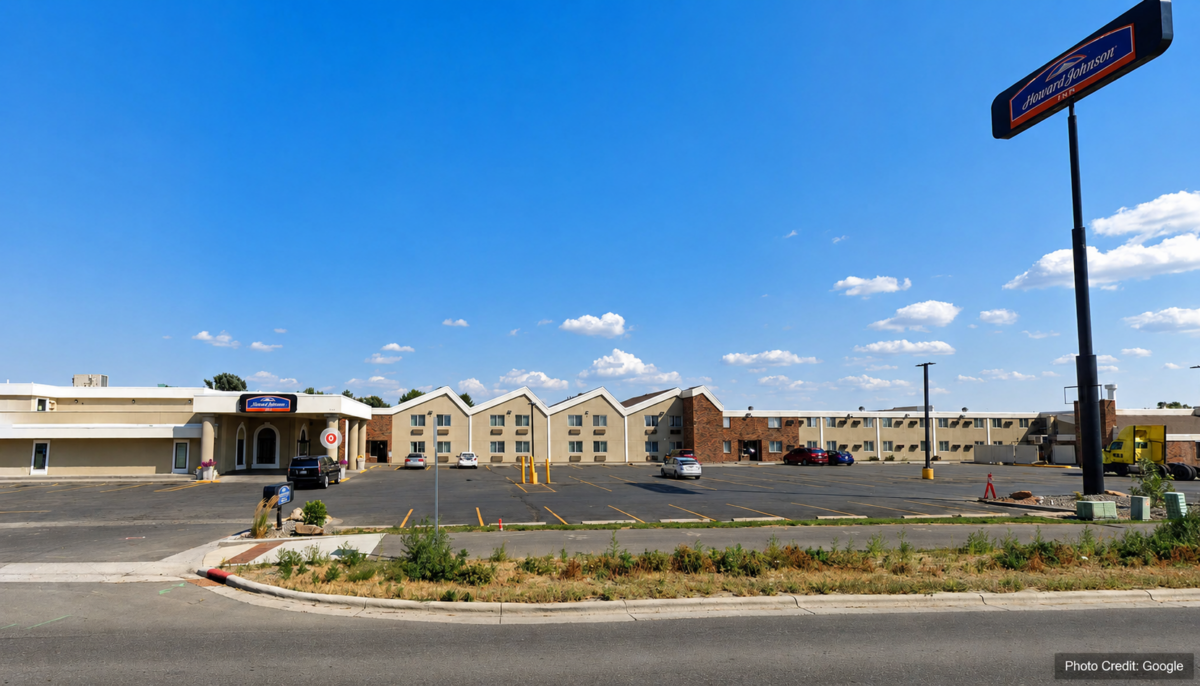
Health officials in Montana are investigating a Legionella outbreak linked to the Howard Johnson by Wyndham in Billings, located at 1345 Mullowney Lane. According to KTVQ’s report based on a RiverStone Health news release, RiverStone Health public health officials and the Montana Department of Public Health and Human Services have been working with hotel management after several guests reported Legionella-related illness following stays at the property.
Local reporting from KULR8 states that health officials connected three illnesses to the hotel, including one hospitalized case reported around the end of March and two earlier illnesses in 2025. KULR8 also reported that investigators collected 40 water samples from the property and that 26 tested positive for Legionella bacteria.
Legionnaires’ disease is a severe form of pneumonia caused by Legionella bacteria. It can be especially dangerous for older adults, smokers, people with chronic lung disease, and people with weakened immune systems. Pritzker Hageman’s national Legionnaires’ disease lawyers are closely following hotel, resort, apartment, hospital, and long-term care facility outbreaks involving contaminated building water systems.
What Happened at the Billings Howard Johnson?
RiverStone Health and Montana DPHHS are investigating a Legionella outbreak associated with the Howard Johnson by Wyndham in Billings. According to the KTVQ report, several guests reported becoming sick with Legionella-related illness within the last year after staying at the property. RiverStone Health tested water samples from the hotel in April, and the majority of samples tested positive for Legionella bacteria.
Health officials directed the hotel to provide notification letters and factsheets to current and future guests. RiverStone Health also worked with the property owner to notify guests who stayed at the hotel since March 16 about possible exposure.
RiverStone Health said it is working with hotel management to coordinate remediation of the water system. KULR8 reported that the hotel’s remediation process was expected to involve a standard two-week water-treatment process and that guests might notice a stronger chlorine smell during that work.
What Is Legionella?
Legionella is a type of bacteria that can cause Legionnaires’ disease, a serious pneumonia, and Pontiac fever, a milder flu-like illness. The bacteria occur naturally in freshwater environments, but they become a health hazard when they grow and spread in human-made building water systems.
Common sources of Legionella exposure include:
- Shower heads and sink faucets
- Hot tubs and spas
- Hot water tanks and heaters
- Large plumbing systems
- Cooling towers
- Decorative fountains and water features
The CDC explains that hotels and resorts can be higher-risk settings when water systems are not properly managed. The CDC’s guidance for hotel owners and managers specifically identifies showers, hot tubs, unoccupied rooms or floors, cooling towers, decorative fountains, and water supply interruptions as potential risk areas.
How Do People Get Legionnaires’ Disease?
People usually get Legionnaires’ disease by breathing in mist or vapor containing Legionella bacteria. In a hotel setting, contaminated mist can come from showers, faucets, hot tubs, spas, decorative fountains, or other water-aerosolizing devices.
The CDC’s page on how Legionella spreads notes that Legionella is most commonly transmitted when people breathe in contaminated water droplets. In general, Legionnaires’ disease is not spread from person to person.
This is one reason hotel outbreaks can be difficult for guests to recognize. A person may leave the property feeling fine, develop symptoms days later, and be diagnosed with pneumonia without immediately connecting the illness to a hotel stay. Anyone who stayed at the Billings Howard Johnson and developed pneumonia-like symptoms should tell their healthcare provider about the possible Legionella exposure.
Symptoms of Legionnaires’ Disease After a Hotel Stay
The CDC says Legionnaires’ disease symptoms usually develop 2 to 14 days after exposure, although it can take longer. RiverStone Health advised people who stayed at the Howard Johnson in Billings and developed symptoms within 30 days of their stay to seek medical attention and/or contact RiverStone Health Public Health Services.
Symptoms can include:
- Cough
- Shortness of breath
- Fever
- Chills
- Muscle aches
- Headache
- Confusion or altered mental status
- Nausea, diarrhea, or other gastrointestinal symptoms
Because Legionnaires’ disease is a serious pneumonia, prompt medical care is important. If you were recently at the Billings hotel and now have pneumonia symptoms, ask your doctor whether Legionella testing is appropriate. The CDC’s clinical guidance for Legionella infections identifies paired testing with a Legionella urinary antigen test and culture or molecular testing of lower respiratory secretions as preferred diagnostic testing.
For more practical guidance, see Pritzker Hageman’s page on what to do if you contract Legionnaires’ disease.
Who Is Most at Risk?
Most healthy people exposed to Legionella do not become sick. However, certain people face a higher risk of developing Legionnaires’ disease and severe complications.
According to the Montana DPHHS Legionnaires’ disease page, higher-risk groups include:
- People age 50 or older
- Current or former smokers
- People with chronic lung disease, such as COPD or emphysema
- People with weakened immune systems
- People taking immune-suppressing medications
- People with cancer
- People with underlying illnesses such as diabetes, kidney failure, or liver failure
Legionnaires’ disease can lead to hospitalization, respiratory failure, septic shock, long-term lung problems, and death. Families who have lost a loved one may have questions about a Legionnaires’ disease wrongful death lawsuit if evidence links the illness to a contaminated building water system.
Why Legionella Can Grow in Hotel Water Systems
Hotels and motels can have complex water systems with long pipe runs, storage tanks, hot water loops, pools, spas, and rooms that may sit unused. These conditions can create opportunities for Legionella to grow if water temperatures, disinfectant levels, and water flow are not properly controlled.
The CDC says Legionella grows best in warm water that is not moving or does not have enough disinfectant to kill bacteria. Low occupancy can decrease water flow, which may reduce disinfectant levels and hot water temperature. Hot tubs can also support Legionella growth if they are not maintained with continuous disinfectant.
Building owners and managers can reduce risk by implementing effective water management programs. The CDC states that an effective water management program is the primary strategy to control Legionella growth and spread. Montana DPHHS similarly says prevention depends on maintaining water temperatures outside the ideal growth range, preventing stagnation, ensuring adequate disinfection, and maintaining devices to prevent scale, corrosion, and biofilm growth.
Pritzker Hageman has written extensively about why building operators should implement water safety measures. See our article on how water management plans safeguard public health.
Can You Sue a Hotel for Legionnaires’ Disease?
You may be able to sue a hotel for Legionnaires’ disease if evidence shows that contaminated water at the hotel caused your illness. These cases typically depend on medical evidence, exposure history, public health findings, water testing, and sometimes genetic testing that links a patient’s Legionella infection to a specific water source.
Pritzker Hageman explains this issue in detail on our page, Can I Sue a Hotel for Legionnaires’ Disease? A hotel Legionella lawsuit may seek compensation for:
- Hospital bills and medical expenses
- Lost income
- Future medical care
- Pain and suffering
- Long-term disability or respiratory complications
- Wrongful death damages for surviving family members
Legionella cases are complex because the source of exposure must be investigated and scientifically supported. Pritzker Hageman’s page on the five steps we take to prove a Legionnaires’ disease case explains how our legal team evaluates diagnosis, exposure, causation, outbreak evidence, and official investigation findings.
For more information about potential claims and damages, read our guide to Legionnaires’ disease lawsuits and compensation.
Did You or a Loved One Contract Legionella?
Who May Be Responsible for a Legionella Outbreak?
Responsibility for a Legionella outbreak depends on the facts. In hotel outbreaks, potential defendants may include property owners, hotel operators, management companies, maintenance contractors, water treatment contractors, or other parties responsible for the water system.
In many cases, the central questions are whether the responsible parties knew or should have known about unsafe water conditions, whether they followed industry standards and public-health guidance, and whether failures in water management allowed Legionella bacteria to grow and spread.
Pritzker Hageman’s guide to determining liability for a Legionnaires’ disease outbreak explains why these cases often require technical, scientific, and legal investigation.
What Should Guests Do After Possible Legionella Exposure?
If you stayed at the Howard Johnson by Wyndham in Billings and later developed symptoms of pneumonia, take these steps:
- Seek medical care immediately. Tell your doctor you may have been exposed to Legionella at a Billings hotel.
- Ask about Legionella testing. Legionnaires’ disease can look like other types of pneumonia, so specific testing may be needed.
- Report your illness to public health officials. RiverStone Health advised symptomatic guests to contact RiverStone Health Public Health Services at 406-247-3305 during business hours. RiverStone Health’s public health information is available on its Preventing Disease page.
- Save travel records. Keep hotel receipts, reservation confirmations, credit card records, photos, emails, and any notices from the hotel or health department.
- Document medical care. Save diagnosis records, test results, discharge papers, prescriptions, and bills.
- Talk with an experienced Legionnaires’ disease lawyer. These cases can require fast evidence preservation and scientific investigation.
For additional answers, visit our Legionnaires’ Disease FAQ and our page on whether you can get Legionnaires’ disease from a hotel.
Pritzker Hageman Investigates Legionnaires’ Disease Outbreaks Nationwide
Pritzker Hageman represents people sickened by Legionnaires’ disease and families who have lost loved ones after exposure to contaminated water systems. Our team investigates cases involving hotels, resorts, hospitals, nursing homes, apartments, workplaces, and other buildings.
Our Legionnaires’ disease team has handled complex outbreak cases across the country, including hotel-related investigations and lawsuits. You can read about other hotel outbreak matters, including the Las Vegas casino hotel Legionnaires’ disease investigation and lawsuit and the Grandview Hotel Legionnaires’ disease outbreak.
If your loved one died after a Legionella infection, our page about a hotel Legionnaires’ disease wrongful death claim explains how families may pursue accountability when contaminated water causes a fatal infection.
Contact Eric Hageman and his Legionnaires’ Disease legal team today and find out how you can get compensation and justice
1-888-377-8900 (Toll-Free) | [email protected]

Free Consultation for Billings Hotel Legionella Exposure
If you or a loved one developed pneumonia, Legionnaires’ disease, or Legionella-related symptoms after staying at the Howard Johnson by Wyndham in Billings, you may have legal rights. Pritzker Hageman can help investigate what happened, preserve evidence, and determine whether you may have a claim.
Contact our Legionnaires’ disease lawyers for a free consultation.
Frequently Asked Questions
RiverStone Health and Montana DPHHS are investigating a Legionella outbreak linked to the Howard Johnson by Wyndham in Billings, located at 1345 Mullowney Lane.
KTVQ reported that several guests became sick with Legionella-related illness after staying at the property. KULR8 reported that officials connected three illnesses to the hotel, including one hospitalized case reported around the end of March and two earlier illnesses from 2025.
According to KTVQ, RiverStone Health tested water samples from the hotel in April and the majority tested positive for Legionella bacteria. KULR8 reported that 26 of 40 water samples tested positive.
In general, no. The CDC says people usually get Legionnaires’ disease by breathing in mist containing Legionella bacteria. It is generally not spread from person to person.
Seek medical care right away, tell your healthcare provider about the possible Legionella exposure, ask whether Legionella testing is appropriate, report your illness to RiverStone Health, and save hotel and medical records.
You may be able to sue if evidence links your Legionnaires’ disease to contaminated water at the hotel. These cases require medical, environmental, and legal investigation. Learn more here: Can I Sue a Hotel for Legionnaires’ Disease?
Additional Information About Legionnaires’ Disease
- Legionnaires’ Disease Frequently Asked Questions (FAQs)
- Where Does Legionnaires’ Disease Come From?
- Legionnaires’ Disease: Symptoms and Diagnosis
- What to do if You Contract Legionnaires’ Disease
- Legionnaires’ Disease: Determining Liability
- Legionnaires’ Disease: Lawsuits and Compensation
- Legionnaires’ Disease: Wrongful Death Cases
- Finding a Legionnaires’ Disease Lawyer
- Filing a Legionnaires’ Disease Lawsuit
- The Importance of Water Management Plans