
A nationwide safety alert and recall has been issued for certain Abbott FreeStyle Libre 3 and FreeStyle Libre 3 Plus continuous glucose monitor (CGM) sensors. Abbott Diabetes Care discovered that some of these sensors can malfunction by providing falsely low blood sugar readings, prompting users to take unnecessary or harmful actions. The FDA has labeled this a “potentially high-risk” problem and is warning patients to stop using the affected sensors immediately.
This defect is serious and has already resulted in hundreds of injuries. Abbott reported 736 severe adverse health events linked to the faulty glucose readings (including 57 cases in the U.S.) and 7 patient deaths worldwide so far. When a CGM gives an incorrect low reading, a person might eat excess carbohydrates or skip insulin, causing dangerous high blood sugar spikes or other complications. Over time, such mistakes can lead to severe harm or even life-threatening situations.
Were You or a Loved One Harmed by a Faulty Glucose Monitor?
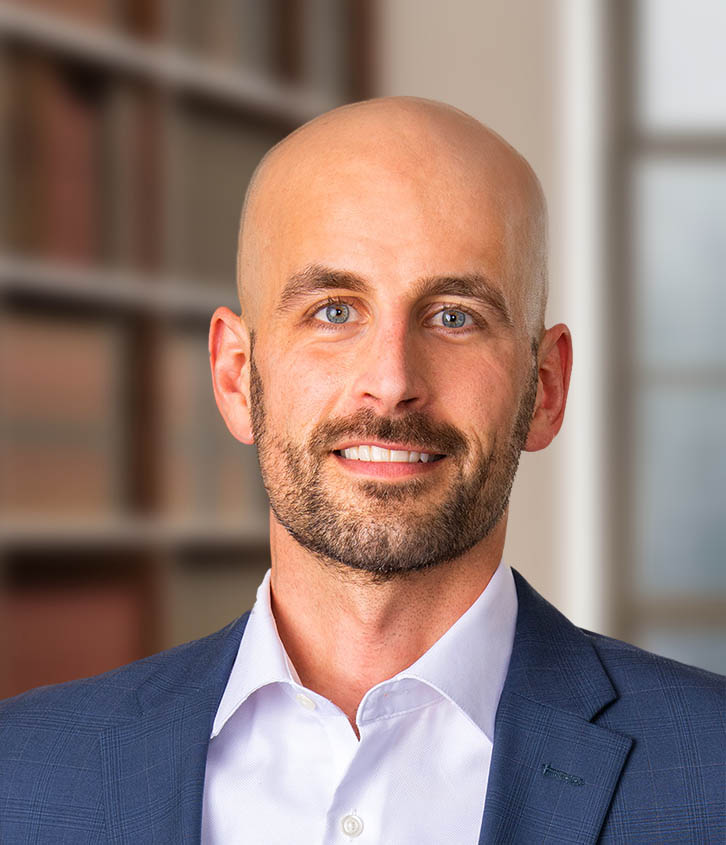
“It’s alarming that a life-saving device like a glucose monitor could give dangerously inaccurate readings. Patients rely on these monitors to manage diabetes safely. When those readings are wrong, the consequences can be catastrophic. No one expects a tool designed to help keep them healthy to instead put their health at risk.”
– RAYMOND TRUEBLOOD-KONZ, PRODUCT LIABILITY ATTORNEY AT PRITZKER HAGEMAN
Which Glucose Monitors Are Affected?
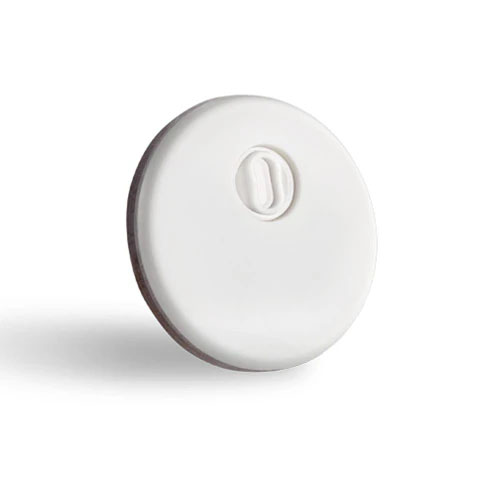
This FDA alert involves Abbott’s FreeStyle Libre 3 and FreeStyle Libre 3 Plus sensors, which are the latest generation of Abbott’s continuous glucose monitors. The company has identified specific lot numbers and model numbers of these sensor devices that are impacted and should be pulled from use:
- FreeStyle Libre 3 Sensors – Model Numbers 72081-01 and 72080-01
- FreeStyle Libre 3 Plus Sensors – Model Numbers 78768-01 and 78769-01
If you use one of these CGM sensors, assume it is affected unless you confirm otherwise (see next section on how to check your sensor). Abbott’s recall notice makes clear that no other Libre series products are impacted – older models like the FreeStyle Libre 2, Libre 14-day system, Libre Pro, as well as the handheld Libre 3 reader device and mobile apps, are not part of this recall. The issue is isolated to certain Libre 3 and 3 Plus sensor units only, due to a manufacturing glitch on one production line.
Why Are These Abbott Sensors Being Recalled?
Abbott initiated this recall (officially termed an “Urgent Medical Device Correction”) after internal testing found that some Libre 3 and Libre 3 Plus sensors were erroneously triggering low-glucose alarms and readings when the user’s blood sugar was actually normal. In other words, the sensor might tell you that your glucose is, say, 55 mg/dL (very low) when in reality you might be at 100 mg/dL.
Such false “hypoglycemia” readings can lead users to make improper treatment decisions. For example, a person might eat unnecessary sugary food or juice to correct a low that isn’t real, causing high blood sugar, or they might delay or reduce an insulin dose out of fear of going too low. Repeating these mistakes can cause dangerous swings in blood glucose. Abbott and the FDA warn that this issue “may pose serious health risks, including potential injury or death” for people with diabetes. In fact, the problem has been linked to emergency medical events like diabetic ketoacidosis (from untreated high blood sugar) and other complications.
Abbott traced the sensor errors to a manufacturing defect on one of its production lines for the Libre 3 series. All the faulty sensors came from this single production line. Approximately 3 million sensors (Libre 3 and 3 Plus combined) manufactured on that line were distributed in the U.S.. Fortunately, Abbott believes about half of those had already expired or been used by the time the issue was discovered. The company says it has identified and fixed the production problem, and other production lines are not affected. They do not expect any supply shortages for new Libre 3 sensors going forward.
Reported Injuries and Deaths Linked to Faulty Readings
The magnitude of this defect only became clear after numerous adverse events were reported. Hundreds of Libre 3 users have suffered significant harm that may be tied to the inaccurate readings. Abbott has received at least 736 reports of serious health consequences related to this issue. These include seizures, loss of consciousness, hospitalizations for extremely high or low blood sugar, and other emergencies. The FDA’s alert noted these are considered “serious injuries” in many cases.
Tragically, seven people have died globally in incidents possibly connected to the sensor failures. This underscores how dangerous an undetected glucose error can be. For example, if a person’s CGM kept falsely warning of low glucose, they might repeatedly skip insulin doses and eventually develop severe hyperglycemia or diabetic ketoacidosis, which can be fatal if untreated. Alternatively, someone might lose consciousness from an actual low blood sugar if the sensor cried wolf so often that they started ignoring all alerts.
If you or a loved one experienced a medical emergency while using a Libre 3 sensor, contact us, it could be due to this defect. The FDA is continuing to investigate and has stated it will update the public as more information emerges. Every user should take this recall seriously to prevent any further harm.
What Should FreeStyle Libre 3 Users Do Now?
If you are using a FreeStyle Libre 3 or Libre 3 Plus CGM, take these steps immediately to protect yourself:
- Verify if your sensor is affected. You can find the sensor’s serial number in your Libre 3 smartphone app (under device info), on your Libre 3 reader, or on the sensor’s packaging.
- Stop using affected sensors right away. If your Libre 3 sensor is one of the impacted lots, immediately remove the sensor and dispose of it properly. Do not continue relying on it for glucose readings as it could mislead you about your blood sugar. Abbott recommends removal even if the sensor’s readings seem fine, out of caution.
- Use a blood glucose meter for now. Until you have a properly functioning CGM sensor, rely on fingerstick readings to manage your diabetes. You can use a traditional glucose meter, or even the built-in fingerstick blood glucose meter on the Libre 3 reader device, for checking your levels. This is especially important if any CGM reading doesn’t match how you feel – when in doubt, do a fingerstick check. Never ignore symptoms of low or high blood sugar just because a sensor reading is normal.
- Stay alert for symptoms and consult your doctor. Be vigilant about signs of hypoglycemia (shakiness, confusion, sweating) or hyperglycemia (thirst, frequent urination, nausea). If you suspect an inaccurate reading may have caused you problems – for instance, if you became ill or needed medical help – inform your healthcare provider. They can document the incident and ensure you get appropriate care. It’s also a good idea to discuss with your doctor how to manage your blood sugars while waiting for a replacement sensor.
These are general steps you can follow, but it is not medical advice. If you have any medical questions, contact your physician right away. Do not reuse any Libre sensor that is known to be part of the recall. Abbott and the FDA will continue to provide updates; you can subscribe to FDA recall alerts or check their website periodically for news.
Also, if you did experience an injury or adverse event (like needing hospitalization) because of a faulty Libre 3 sensor, contact our product liability attorneys right away. The sooner you act the better. We can preserve evidence and make sure any legal requirements that have a time-limit are met.
Your Legal Rights After a Defective Medical Device Injury
When a medical device like a continuous glucose monitor fails and causes harm, the patients affected have legal recourse. You have the right to seek compensation through a product liability lawsuit against the device’s manufacturer (in this case, Abbott) for injuries, medical expenses, and other losses you suffered. In fact, holding a company accountable for a defective product is often the only way to obtain full justice beyond the remedies the company itself offers. Abbott’s offer to replace the sensors free of charge, while important, does not cover the costs and harm you may have endured due to a false reading – costs like emergency room visits, hospital stays, lost wages, or the pain and suffering of a health crisis. A legal claim can pursue those damages directly from the company.
Pritzker Hageman, is a nationally recognized law firm with extensive experience in defective medical device and recall lawsuits. Our product liability lawyers have represented clients across the United States in cases involving unsafe medical products, dangerous consumer goods, and other defective items. For example, our firm recovered $10 million for babies who suffered a serious illness from contaminated medical products that were later recalled. We have won numerous multi-million dollar settlements for clients injured by medical devices such as unsafe implants and harmful drugs. This track record means we know how to take on large manufacturers like Abbott and fight for the compensation victims deserve.
What types of compensation can you claim?
In a product liability or recall-related lawsuit, you can typically demand money for all medical expenses related to the injury (hospital bills, medication, ongoing treatment), any lost wages or earning capacity if you missed work or your health is affecting your ability to work, and damages for your pain, emotional suffering, and loss of quality of life. In cases of severe misconduct, punitive damages might also be possible, though that would depend on evidence that Abbott knew of the defect and failed to act promptly, for instance. Additionally, if a loved one tragically died because of complications from an inaccurate glucose reading, your family could file a wrongful death lawsuit to recover funeral costs and other losses, and to seek justice for your loved one’s needless death. No amount of money can undo the harm, but it can alleviate the financial burdens on you and send a message to prevent future negligence.
Important: Talk to a Lawyer Before you Sign Any Documents or Releases from Abbott
Before you sign anything or agree to any settlement from Abbott, talk to a lawyer about your rights. In recalls like this, the company may ask consumers to fill out claim forms or waivers to get a refund or replacement. While it might seem routine, be cautious and do not sign any documents or release forms from Abbott without legal advice. The fine print could affect your right to sue later. Likewise, avoid giving detailed statements about your experience directly to Abbott’s representatives. You may even receive a letter from your doctor that directs you contact Abbott.
While Abbott is trying to be helpful in providing information to you, it is important to remember that they also seek information from you that may be used to defend the company against litigation by you or similarly situated individuals. Here is what we recommend to our clients:
- Do not sign any document unless it is first reviewed by an attorney experienced in handling medical device cases (many lawyers may be advertising for cases; make sure the lawyer with whom you consult has actual experience handling your type of cases)
- Do not discuss your care, treatment, problems or other issues with Abbot Labs or anyone working or affiliated with Abbott Laboratories.
How We Can Help
Our product liability attorneys at Pritzker Hageman are available to provide free consultations to anyone affected by this Abbott Libre recall. We can explain your legal options in plain language and answer your questions, such as:
- Do I have a valid claim against Abbott?
- What is the process for filing a lawsuit for a recalled medical device?
- What compensation might I be entitled to for my specific situation?
- How long could a case take, and what does it cost? (Our firm works on a contingency fee, which means we don’t get paid unless we win for you.)
We understand that dealing with a health scare on top of a product recall is stressful. Our goal is to take the legal burden off you so you can focus on your health. We have decades of experience winning cases just like this – involving complex medical facts and powerful companies – and we have the resources to go up against Abbott on your behalf. Importantly, we handle cases nationwide. We can help clients all over the country who were injured by these defective glucose monitors.
If you or a family member suffered an injury that you believe may be linked to an inaccurate FreeStyle Libre 3 reading or any issue with one of these sensors, please reach out to us for a free, no-obligation consultation. You can contact Pritzker Hageman at 1-888-377-8900, text 612-261-0856, or simply fill out the online form below. Our legal team will listen to your story, answer your questions, and let you know if we can assist with a Libre 3 recall lawsuit. There are strict time limits (statutes of limitation) for filing injury and wrongful death claims, so it’s wise not to delay seeking legal advice.
Contact The Pritzker Hageman Product Liability Lawyers Today
Phone: 1-888-377-8900 | Text: 612-261-0856
The consultation is free and you never pay anything until we win for you.
Bottom Line: Abbott’s recall of FreeStyle Libre 3 sensors underscores how even advanced medical devices can sometimes fail, with dire consequences. If you were hurt because of a defective glucose reading, you should also know that you have the right to pursue justice. Our attorneys are here to help hold Abbott accountable and get you the compensation you need to recover. Don’t hesitate to reach out for more information or assistance – we’re on your side.
We have obtained 100+ separate verdicts and settlements greater than $1 million:
We obtained this settlement for a man who lost his arm and leg in a gas pipeline explosion.
Our client suffered substantial injuries after ingesting a defective product.
Our client suffered burn injuries over 60% of his body in an explosion caused by improperly-odorized propane.
We represented seven children who suffered intestinal injuries as a result of a defective food product.
Our client suffered burn injuries over 50% of her body when a compressed natural gas line ruptured in a factory, causing an explosion.
We won this verdict for a child with kidney damage from E. coli.
See more settlements & verdicts.
The Pritzker Hageman law firm and our attorneys have been recognized in:
U.S. News & World Report

Pritzker Hageman has been recognized as one of the best law firms for personal injury litigation by U.S. News & World Report every year the award has been given since 2012.
Super Lawyers®, Thomson Reuters

Attorneys at Pritzker Hageman have been awarded the peer selected Super Lawyers distinction every year since 2004.
America’s Top 100 Attorneys®

Lifetime Achievement selection to America’s Top 100 Attorneys®.
Three Time Attorneys of the Year
Pritzker Hageman lawyers have been named Attorneys Of The Year by Minnesota Lawyer three times.